
Understanding Tipping Culture in Morocco: A Traveler’s Guide

Mastering the art of tipping in Morocco not only enhances your travel experience but also fosters positive interactions with locals and contributes to the sustainable development of the tourism industry. By embracing this cultural aspect with respect and understanding, you’ll navigate Morocco’s vibrant tapestry of customs and traditions with confidence and appreciation.

Morocco, with its vibrant culture, bustling markets, and captivating landscapes, is a destination that enchants travelers from around the globe. Amidst the rich tapestry of experiences it offers, one aspect that often perplexes visitors is the custom of tipping. Tipping etiquette varies from one country to another, and understanding how it operates in Morocco can enhance your travel experience while also showing respect for local customs. In this comprehensive guide, we delve into the intricacies of tipping in Morocco, offering insights and practical tips for travelers.

  • The Importance of Tipping in Moroccan Culture: Tipping, known as ‘baksheesh’ or ‘pourboire’ in Morocco, holds significant cultural importance. It is not merely a gesture of appreciation for services rendered but also a social custom deeply ingrained in Moroccan society. From hospitality staff to artisans in the medinas, tipping is a way to acknowledge their efforts and establish goodwill.
  • Who to Tip and When:
  • ​​​​​​​a. Hospitality Sector: In hotels, restaurants, and cafes, tipping is customary. It is common to leave a gratuity of around 10% of the bill for satisfactory service. However, always check if a service charge is included in the bill to avoid double tipping.
  • b. Tour Guides and Drivers: When availing of guided tours or hiring drivers for excursions, it is customary to tip them based on the length and quality of service. A gratuity of 10-15% of the total cost is considered appropriate. We recommend around 35 Euro per day for a driver at disposal, 25 Euro for guided tours. 
  • c. Porters and Baggage Handlers: At airports, train stations, or hotels, porters who assist with luggage appreciate a small tip as a token of gratitude.
  • d. Street Performers and Artisans: While exploring the medinas and souks, you may encounter street performers or artisans showcasing their craft. Tipping them for their talent and entertainment is appreciated but not obligatory.
  • Tipping Dos and Don’ts:
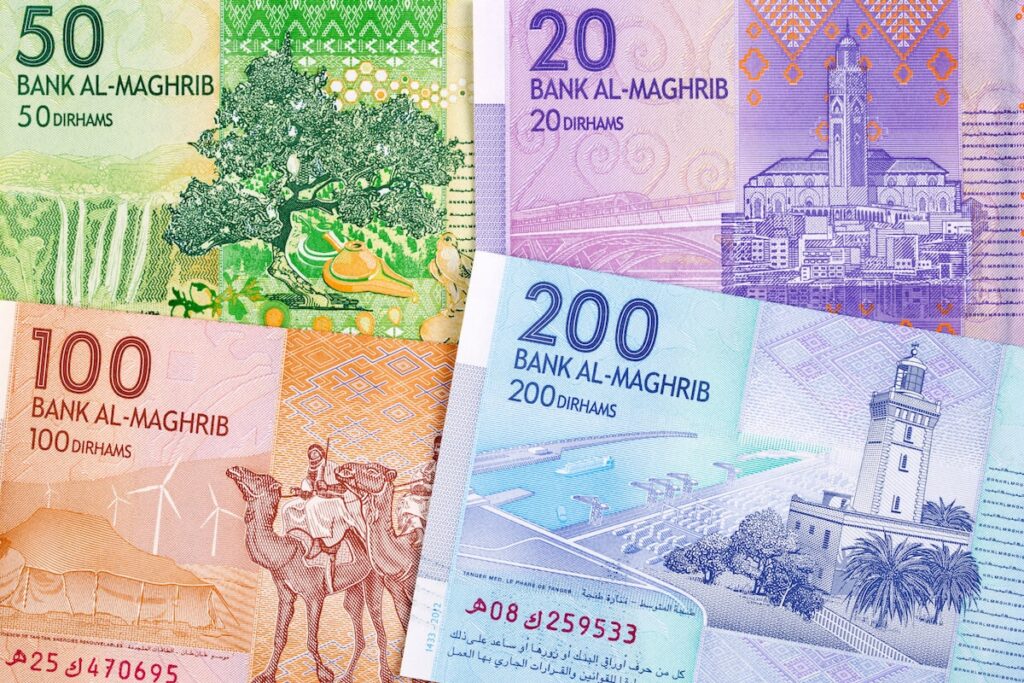
  • a. Do: i. Carry small denominations of Moroccan Dirham (MAD) for tipping, as change may not always be available. ii. Respect local customs and tip graciously without appearing ostentatious. iii. Use discretion when tipping; not all situations warrant gratuities, especially if service quality is lacking.
  • b. Don’t: i. Assume that tipping is mandatory in all situations. While customary in many scenarios, there may be exceptions. ii. Bargain excessively when purchasing goods and then refuse to tip artisans or vendors. It undermines their livelihood and is considered disrespectful.
  • Cultural Considerations:
  • a. Modesty: Moroccans appreciate modesty in tipping gestures. While tipping generously is welcomed, flaunting wealth through excessive gratuities may be viewed unfavorably.
  • b. Expressing Gratitude: Alongside monetary tips, expressing gratitude verbally in Arabic or French adds a personal touch and further demonstrates appreciation for the service received.
  • c. Negotiation: In some cases, particularly with street vendors or taxi drivers, tipping may be incorporated into bargaining. Agree on a fair price beforehand to avoid misunderstandings.
  • The Impact of Tipping: Tipping not only benefits individuals directly but also contributes to the local economy. In a country where tourism plays a significant role in livelihoods, your gratuities can make a meaningful difference in the lives of service providers and artisans.

Tipping in Morocco is more than a financial transaction; it’s a cultural exchange that fosters goodwill and mutual respect. By understanding and adhering to local tipping customs, travelers can forge meaningful connections, enrich their travel experiences, and contribute positively to the communities they visit. So, as you embark on your Moroccan adventure, remember the power of a well-placed ‘pourboire’ in creating lasting memories.

Mastering the art of tipping in Morocco not only enhances your travel experience but also fosters positive interactions with locals and contributes to the sustainable development of the tourism industry. By embracing this cultural aspect with respect and understanding, you’ll navigate Morocco’s vibrant tapestry of customs and traditions with confidence and appreciation.

SHARE

More to explore

What to do in Fez

Fez, also known as Fes, is the cultural capital of Morocco. This ancient city has a rich history and is famous for its bustling markets, historic medina, and beautiful architecture. If you’re planning a trip to Fez, there are plenty of things to do and see. Here are some of the best things to do in Fez.

Visiting the Sahara Desert

The Sahara Desert is one of the most iconic and mysterious places on Earth. Spanning over 3.6 million square miles, it’s the largest hot desert in the world. It’s a land of extremes, with temperatures that can reach up to 120 degrees Fahrenheit during the day and drop to near freezing at night. For those brave enough to venture into this barren and inhospitable environment, the Sahara offers an unforgettable adventure .If you’re planning a trip to the Sahara, there are a few things you should keep in mind to make the most of your experience. Here are some tips about visiting the Sahara Desert:

Northern Morocco

Northern Morocco is a region full of vibrant culture, beautiful landscapes, and a rich history that can be seen and experienced in its many cities and towns. From the bustling port city of Tangier to the picturesque Chefchaouen, Northern Morocco offers a unique and unforgettable travel experience. Here are the 5 top must-visit places in northern Morocco:

Is it Safe to Visit Morocco

It’s no surprise that more and more people are considering a trip to this North African gem. However, one question that many travelers ask themselves before planning a trip is whether or not it’s safe to visit Morocco. In this blog post, we’ll take a closer look at the safety situation in Morocco and provide some tips for staying safe while you travel.

Top 5 Luxury Hotels in Marrakech

Explore the top luxury hotels in Marrakech with Inclusive Morocco. Dive deep into the world of opulence with our hand-picked selection, from historic riads to lavish resorts, and discover the essence of Moroccan luxury

Queer Morocco: An Overview for LGBTQ+ Travellers

Morocco is still a country that is considered dominantly Muslim with strict LGBTQ laws. However, the country has historically proved a hot destination for members of the Queer community who flocked to cities like Tangier, Marrakech and Agadir. Learn more about queer culture in Morocco and how that stands in today’s world.

Roses and Spirits: Thrilling Cultural Experiences in Moroccan Festivals

From spiritual Sufi dances and trance Gnaoua music in Essaouira to flower picking activities, Moroccan festivals offer a variety of experiences that allow visitors to dive into the kingdom’s rich cultural heritage.

Away From the City, Close to Your Heart: Three Moroccan Retreat Hotels You Shouldn’t Miss on Your Next Visit

Staying in a hotel in the heart of the city has its perks. It is a great way to get acquainted with the vibrant culture of the locals, everything we need is within our reach, we have plenty of options for food, and a lot more. But what if the purpose of our trip is to get away from people a little bit, to reconnect with our selves, and to discover how different nature is far away from where we grew up? In this article, I will introduce you to three hotels in Morocco that will help you find peacefulness within.

Larache: Where History Meets Coastal Splendor

In Larache, time seems to flow with the undulating waves of the Atlantic. Each step through its historical sites, along its coastal promenade, and within the soul of the medina is a journey through centuries of Moroccan history and culture. As you bid farewell to Larache, you carry with you the echoes of its stories, the scent of sea air, and the warmth of a city where history, tradition, and coastal splendor converge in perfect harmony

Fez’s Earthly Elegance: The Time-Honored Craft of Pottery Making

In Fez, pottery making is an art form that transcends time. It’s a celebration of the earth’s raw beauty, the skill of the artisan’s hands, and the city’s enduring commitment to preserving its cultural legacy. The next time you hold a piece of Fez’s pottery in your hands, know that you are not just touching clay—you are touching the very soul of a city shaped by centuries of artistic expression.

Ifrane and Immouzer: Morocco’s Alpine Retreats

In Ifrane and Immouzer, Morocco reveals a side less explored—an alpine retreat where the air is crisp, the architecture is reminiscent of Europe, and the landscapes are adorned with cherry blossoms. Together, these towns create a haven of serenity, inviting travelers to experience Morocco’s diverse beauty beyond the desert dunes and bustling medinas.

Asilah Art Festival: Where Walls Speak and Colors Dance

The Asilah Art Festival is more than an artistic showcase; it’s a celebration of cultural evolution and creative spirit. Asilah, with its whitewashed walls turned into a vibrant tapestry, stands as a testament to the idea that art has the power to transcend boundaries, connect communities, and leave an indelible mark on the landscapes it touches. The Asilah Art Festival is a living testament to the belief that, in this coastal town, walls do more than enclose—they speak, they sing, and they dance with color.
Newsletter

Stay Inspired. Travel Beautifully.

Receive curated travel stories, destination highlights, and early access to new private experiences across Morocco.