
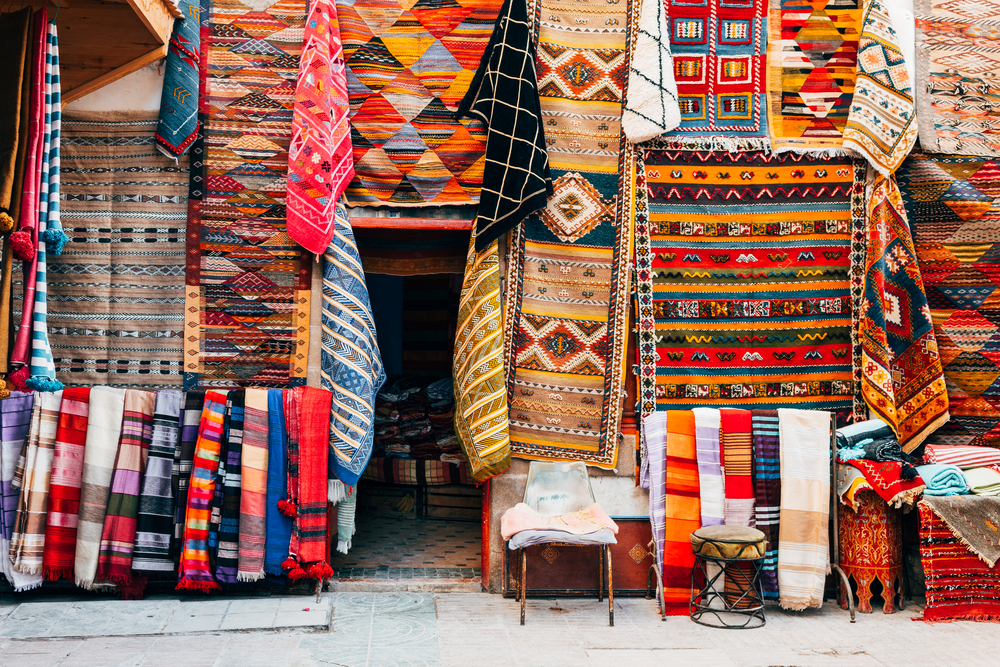
The Timeless Craft: A Journey into Moroccan Rug Weaving

Moroccan rug weaving is a cherished tradition reflecting the country’s diverse landscapes and cultural heritage. From the coastal towns to the Atlas Mountains and the desert regions, each area boasts unique rug styles, such as the vibrant Boucherouite in coastal cities and the elegant Beni Ourain in the mountains. In the desert, kilims and pile rugs showcase the Berber people’s resilience and creativity. These rugs are more than just decorative pieces; they’re living testaments to Morocco’s identity, celebrating the enduring spirit and craftsmanship of its people.

In the sun-drenched valleys and bustling medinas of Morocco, a timeless tradition weaves its way through the fabric of everyday life. Moroccan rug weaving, with its intricate patterns and vibrant colors, tells a story as old as the land itself. Join me as we embark on a journey through the diverse landscapes and rich cultural tapestry of Morocco, exploring the artistry and heritage behind these magnificent creations.

At the heart of Moroccan rug weaving lies a deep connection to the land and its people. From the coastal cities of Casablanca and Essaouira to the rugged mountains of the Atlas range and the sweeping deserts of the Sahara, each region of Morocco boasts its own unique style of rug weaving, reflecting the history, traditions, and lifestyle of its inhabitants.

In the coastal cities, where the salty breeze mingles with the scent of spices and sea, we find the vibrant hues and intricate patterns of the Boucherouite rugs. Made from recycled textiles and materials, these rugs are a testament to the resourcefulness and creativity of the Moroccan people, transforming everyday objects into works of art that brighten homes and warm hearts.

Journeying inland to the Atlas Mountains, we discover the timeless beauty of the Beni Ourain rugs. Woven by the nomadic Berber tribes that call these rugged peaks home, these rugs are prized for their simple elegance and unparalleled craftsmanship. Each rug tells a story of nomadic life, with geometric patterns and symbols passed down through generations, reflecting the cultural heritage and spiritual beliefs of the Berber people.

Venturing further south into the desert regions of Morocco, we encounter the lush wool rugs of the Middle Atlas and the richly woven textiles of the Draa Valley. Here, amidst the harsh beauty of the desert landscape, artisans use age-old techniques and natural dyes to create rugs of unparalleled beauty and complexity. Each rug is a labor of love, with every knot and stitch imbued with the spirit of the desert and the wisdom of generations past.

As we journey through the diverse landscapes and cultures of Morocco, we begin to see the art of rug weaving not just as a craft, but as a living testament to the resilience, creativity, and spirit of the Moroccan people. In every knot and stitch, we find a connection to the land and its people, a reminder of the enduring power of tradition and the beauty of human expression.

The Berber tribes of Morocco have a deep-rooted tradition of rug weaving that dates back centuries. For these nomadic people, rugs served not only as practical items for warmth and comfort but also as symbols of identity and cultural heritage. Each tribe had its own distinct style and patterns, often incorporating symbols and motifs that held special significance within the community.

One of the most famous types of Moroccan rugs is the Beni Ourain. Woven by the Beni Ourain tribe in the Atlas Mountains, these rugs are characterized by their simple yet striking geometric designs. Traditionally made from undyed sheep’s wool, the rugs feature a neutral color palette of ivory, beige, and brown, with dark lines and shapes creating bold patterns against the natural background.

The motifs found in Beni Ourain rugs often hold symbolic meaning, representing aspects of Berber culture and spirituality. For example, the diamond-shaped motifs are thought to symbolize femininity and fertility, while other geometric shapes may represent elements of nature or traditional tribal symbols.

Each Beni Ourain rug is a unique creation, with patterns and designs passed down through generations of weavers. The rugs are typically woven by hand on wooden looms, with skilled artisans using techniques that have remained largely unchanged for centuries. The result is a rug of exceptional quality and beauty, prized by collectors and interior designers around the world.

Another type of Moroccan rug that has gained international acclaim is the Azilal rug. Woven by the Berber women of the Atlas Mountains, these rugs are known for their vibrant colors and abstract designs. Unlike the subdued palette of the Beni Ourain, Azilal rugs feature bold hues such as red, blue, and yellow, often accented with contrasting patterns and motifs.

What sets Azilal rugs apart is their expressive and spontaneous nature. Unlike more traditional rug styles, which may adhere to strict patterns and motifs, Azilal rugs are often created freehand, with the weaver improvising as they go. This results in rugs that are full of energy and personality, each one a unique reflection of the weaver’s creativity and skill.

Despite their differences in style and technique, all Moroccan rugs share a common thread: a deep reverence for tradition and craftsmanship. Whether they are woven in the mountains, the desert, or the bustling cities, Moroccan rugs are a testament to the ingenuity and creativity of the Moroccan people, preserving ancient techniques and motifs for future generations to enjoy.

As we journey through the diverse landscapes and cultures of Morocco, we begin to see the art of rug weaving not just as a craft, but as a living testament to the resilience, creativity, and spirit of the Moroccan people. In every knot and stitch, we find a connection to the land and its people, a reminder of the enduring power of tradition and the beauty of human expression.

So the next time you find yourself admiring a Moroccan rug, take a moment to appreciate the stories woven into its fibers. For in each thread lies a piece of Morocco’s rich cultural heritage, a testament to the timeless artistry and craftsmanship of its people.

SHARE

More to explore

What to do in Fez

Fez, also known as Fes, is the cultural capital of Morocco. This ancient city has a rich history and is famous for its bustling markets, historic medina, and beautiful architecture. If you’re planning a trip to Fez, there are plenty of things to do and see. Here are some of the best things to do in Fez.

Visiting the Sahara Desert

The Sahara Desert is one of the most iconic and mysterious places on Earth. Spanning over 3.6 million square miles, it’s the largest hot desert in the world. It’s a land of extremes, with temperatures that can reach up to 120 degrees Fahrenheit during the day and drop to near freezing at night. For those brave enough to venture into this barren and inhospitable environment, the Sahara offers an unforgettable adventure .If you’re planning a trip to the Sahara, there are a few things you should keep in mind to make the most of your experience. Here are some tips about visiting the Sahara Desert:

Northern Morocco

Northern Morocco is a region full of vibrant culture, beautiful landscapes, and a rich history that can be seen and experienced in its many cities and towns. From the bustling port city of Tangier to the picturesque Chefchaouen, Northern Morocco offers a unique and unforgettable travel experience. Here are the 5 top must-visit places in northern Morocco:

Is it Safe to Visit Morocco

It’s no surprise that more and more people are considering a trip to this North African gem. However, one question that many travelers ask themselves before planning a trip is whether or not it’s safe to visit Morocco. In this blog post, we’ll take a closer look at the safety situation in Morocco and provide some tips for staying safe while you travel.

Top 5 Luxury Hotels in Marrakech

Explore the top luxury hotels in Marrakech with Inclusive Morocco. Dive deep into the world of opulence with our hand-picked selection, from historic riads to lavish resorts, and discover the essence of Moroccan luxury

Queer Morocco: An Overview for LGBTQ+ Travellers

Morocco is still a country that is considered dominantly Muslim with strict LGBTQ laws. However, the country has historically proved a hot destination for members of the Queer community who flocked to cities like Tangier, Marrakech and Agadir. Learn more about queer culture in Morocco and how that stands in today’s world.

Roses and Spirits: Thrilling Cultural Experiences in Moroccan Festivals

From spiritual Sufi dances and trance Gnaoua music in Essaouira to flower picking activities, Moroccan festivals offer a variety of experiences that allow visitors to dive into the kingdom’s rich cultural heritage.

Away From the City, Close to Your Heart: Three Moroccan Retreat Hotels You Shouldn’t Miss on Your Next Visit

Staying in a hotel in the heart of the city has its perks. It is a great way to get acquainted with the vibrant culture of the locals, everything we need is within our reach, we have plenty of options for food, and a lot more. But what if the purpose of our trip is to get away from people a little bit, to reconnect with our selves, and to discover how different nature is far away from where we grew up? In this article, I will introduce you to three hotels in Morocco that will help you find peacefulness within.

Larache: Where History Meets Coastal Splendor

In Larache, time seems to flow with the undulating waves of the Atlantic. Each step through its historical sites, along its coastal promenade, and within the soul of the medina is a journey through centuries of Moroccan history and culture. As you bid farewell to Larache, you carry with you the echoes of its stories, the scent of sea air, and the warmth of a city where history, tradition, and coastal splendor converge in perfect harmony

Fez’s Earthly Elegance: The Time-Honored Craft of Pottery Making

In Fez, pottery making is an art form that transcends time. It’s a celebration of the earth’s raw beauty, the skill of the artisan’s hands, and the city’s enduring commitment to preserving its cultural legacy. The next time you hold a piece of Fez’s pottery in your hands, know that you are not just touching clay—you are touching the very soul of a city shaped by centuries of artistic expression.

Ifrane and Immouzer: Morocco’s Alpine Retreats

In Ifrane and Immouzer, Morocco reveals a side less explored—an alpine retreat where the air is crisp, the architecture is reminiscent of Europe, and the landscapes are adorned with cherry blossoms. Together, these towns create a haven of serenity, inviting travelers to experience Morocco’s diverse beauty beyond the desert dunes and bustling medinas.

Asilah Art Festival: Where Walls Speak and Colors Dance

The Asilah Art Festival is more than an artistic showcase; it’s a celebration of cultural evolution and creative spirit. Asilah, with its whitewashed walls turned into a vibrant tapestry, stands as a testament to the idea that art has the power to transcend boundaries, connect communities, and leave an indelible mark on the landscapes it touches. The Asilah Art Festival is a living testament to the belief that, in this coastal town, walls do more than enclose—they speak, they sing, and they dance with color.
Newsletter

Stay Inspired. Travel Beautifully.

Receive curated travel stories, destination highlights, and early access to new private experiences across Morocco.